Traffic Rules App: The Traffic Regulations are put in place to ensure that roads are well ordered, predictable and safe to all users, drivers, passengers, cyclists and pedestrians. Although each nation has its road transport regulations, the majority of road transport systems worldwide are constructed on the same fundamental rules: be a responsible driver, do not take risk, and do not be disrespectful to other road users. It is particularly critical to learn these rules in case of new drivers and travellers who intend to drive in foreign countries.
The drivers should be aware of the side of the road to be driven on; this is one of the initial things. The United States, Canada and the majority of Europe drive on the right side, and India, the United Kingdom, Australia, and some others drive on the left. This has an impact on steering-wheel position and lane directions also. This is a very simple rule that should not be ignored, as accidents are inevitable when people forget about using it, particularly when they are travelling overseas.
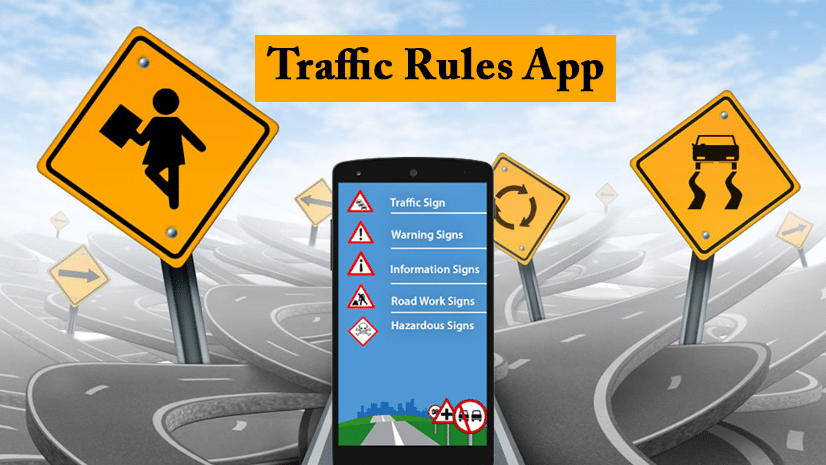
Traffic Rules is a mobile application that is intelligent and easy to use, as it aims at people who are drivers, learners, tourists, and transport professionals to grasp the road rules, road traffic laws and road signs of countries of the world easily. It is also an app that contains all the necessary rules at your fingertips, whether you are about to take a driving licence test, travelling abroad, or just need to be a safer driver.
The app unites the international driving guidelines, regional traffic laws, and country-specific ones in a single location, with clear explanations, illustrations and real-life situations. Whether it is speed limits and right-of-way regulations, parking regulations, road markings, and road signs, you will find everything to drive with contention and responsibility anywhere in the world.
Traffic Rules
WEAR HELMETS (TWO-WHEELERS)
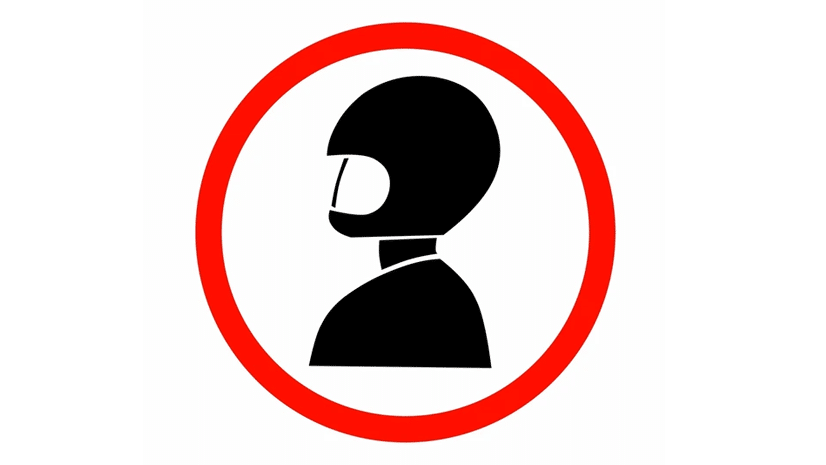
- A protective helmet should be worn by riders when they are on motorcycles, scooters, mopeds or bicycles (where necessary).
- The primary aim of a helmet is to cushion the head in case of a crash and minimise the danger of severe brain damage or death.
- Wear a certified standard helmet, used in your country.
- The chin strap should be well fastened into the helmet.
- Helmets should also be worn by the passengers.
FASTEN SEAT BELTS (FOUR-WHEELERS)
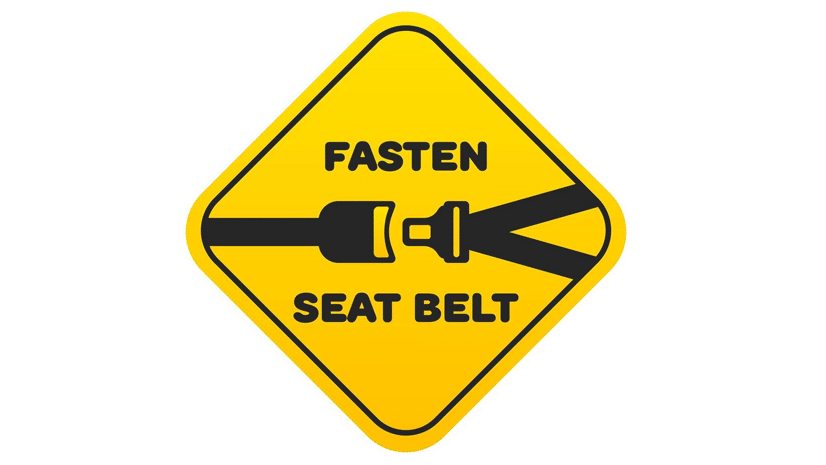
- Buckle up your seat belt until the vehicle begins to move.
- Seat belts ensure that you are in control of the vehicle whenever there is sudden braking or a collision.
- They allow you not to bang your head and body on the dashboard, the steering wheel, or the windows.
- Seat belts also ensure that you are not thrown out of the vehicle.
- The shoulder strap is to be over your shoulder and not under your arm.
- The lap belt ought to be low over the hips – not the stomach.
- In accordance with local law, children have to occupy child seats that match their age/weight.
LEFT / RIGHT TURN (General principles)
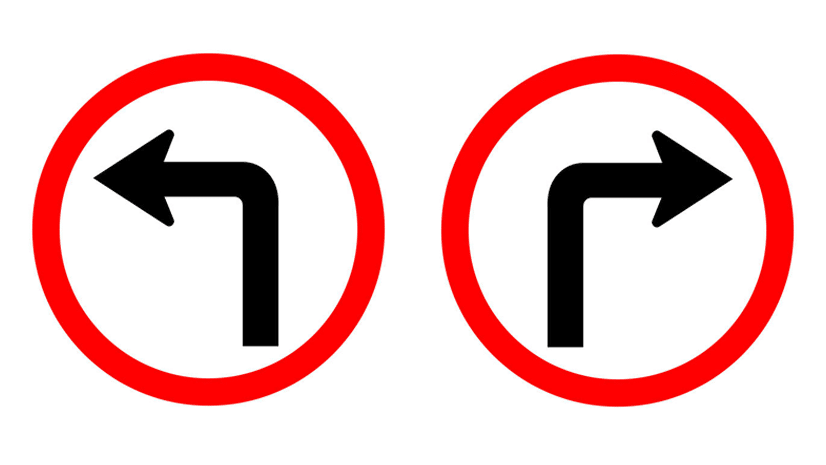
Left (or Right) in reference to the direction of the driving side.
- Make sure the turning path is free and safe.
- Indicate your intentions with hand signs or indications.
- creep slowly round about to the turn.
- Turn safely and blend well with traffic.
ROUNDABOUT RULES

- Reduce speed and yield to other cars that have already entered the roundabout.
- Signal before entering whether turning.
- Always give a signal before leaving.
- Stay in your lane within the roundabout unless there is a need and safety to change lanes.
KEEP TO YOUR SIDE OF THE ROAD
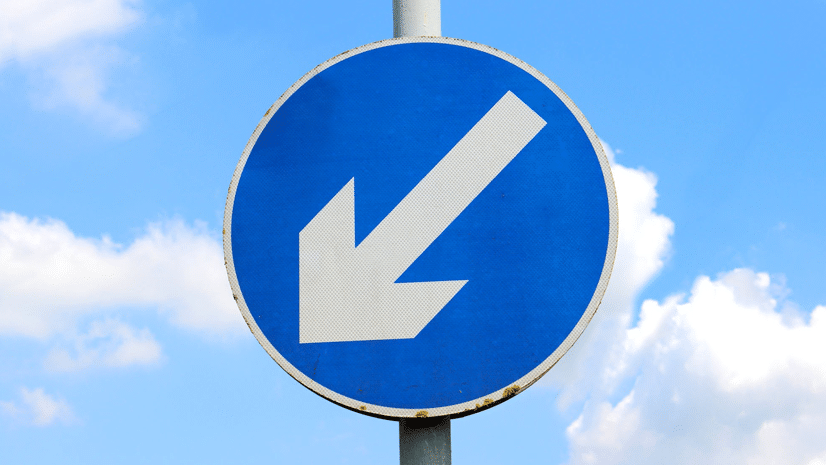
- Proceed on either left or right according to the national laws; however:
Remain as near as possible to the side of the road you are driving.
Let more traffic move safely on the other side.
OVERTAKING / PASSING
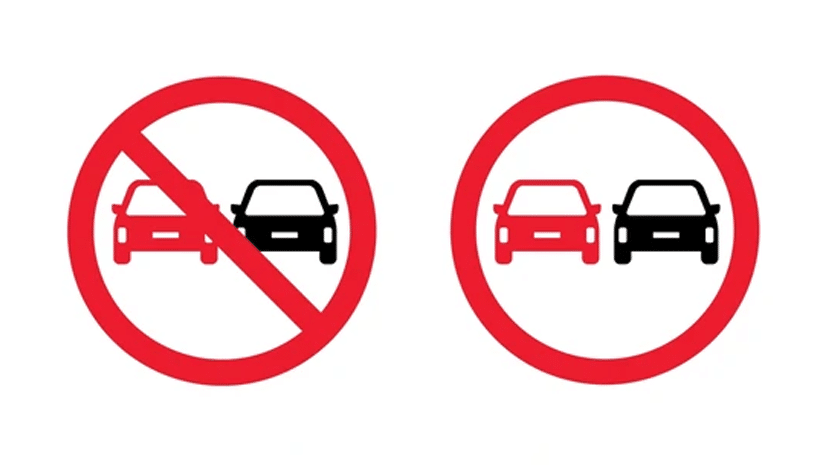
- Overtake legally, safely and permissible.
- Do not overtake:
on bends
near junctions
at pedestrian crossings
on solid line zones - Do not impede cars that are legally trying to pass by.
- Only when it is clear, move back to the lane.
JUNCTION / INTERSECTION RULES
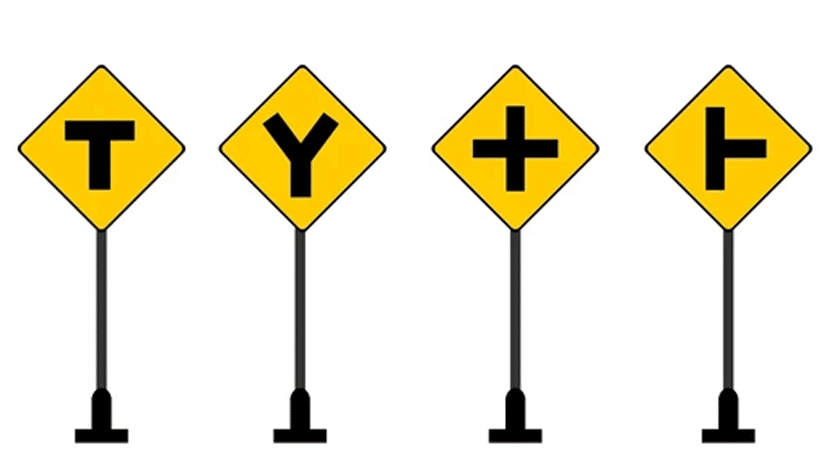
- Reduce speed towards intersections.
- Uncontrolled traffic should yield to local priority (usually to traffic already in the crossing or on the priority road).
- Always give way to pedestrians at crossings.
EMERGENCY VEHICLES
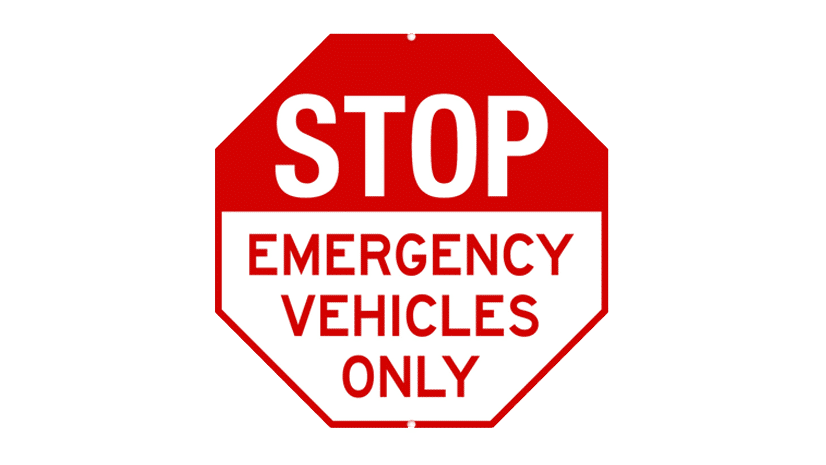
- Fire engines, police cars and ambulances should be provided with free passage.
- Pull to the side and stop when necessary.
PEDESTRIAN PRIORITY

- On the designated crossing, pedestrians usually possess the right-of-way.
- Customers should not drive along the pedestrian paths or bicycle lanes.
“U” TURNS
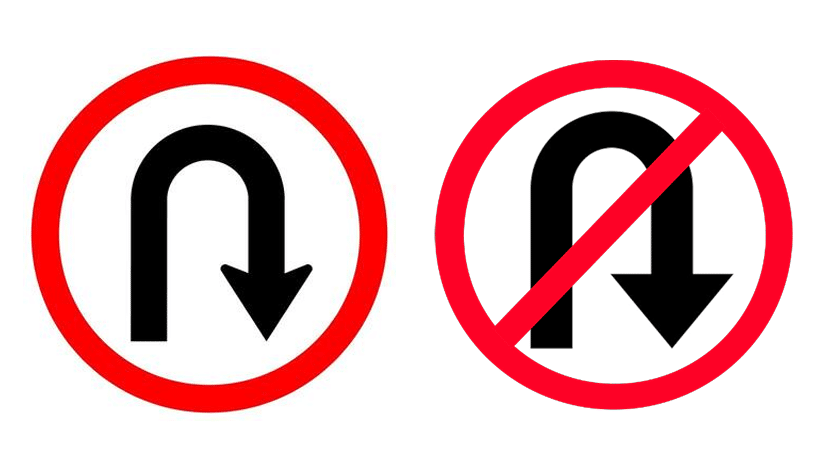
- Turn not where forbidden or unsafe.
- Check the traffic in all directions and clearly signal.
- Make the turn only when safe.
PARKING RULES
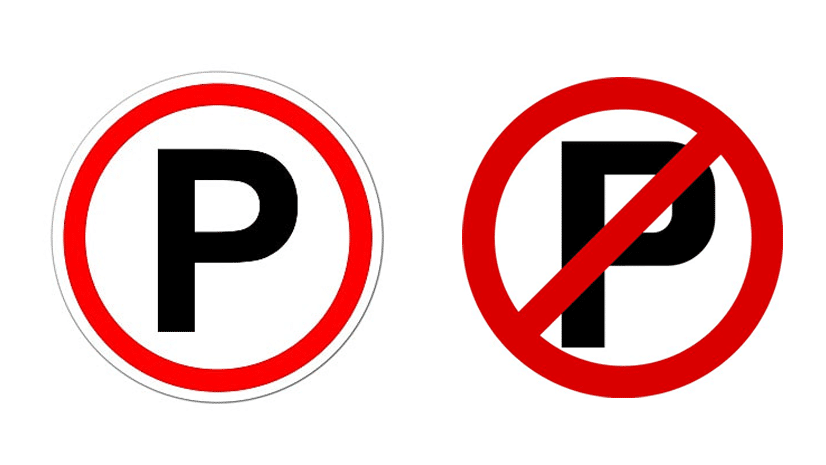
- Do not park in places that will obstruct traffic.
- Avoid parking:
on pedestrian crossings
on sidewalks
around crossroads or roundabouts.
in front of entrances
on narrow roads - Use the handbrake immediately after you have parked.
- Park towards the right side of traffic.
ONE-WAY ROADS & LANES

- Do not pass one-way traffic.
- Stay inside your lane.
- Signal before displacing the lane.
SAFE DISTANCE & BRAKING
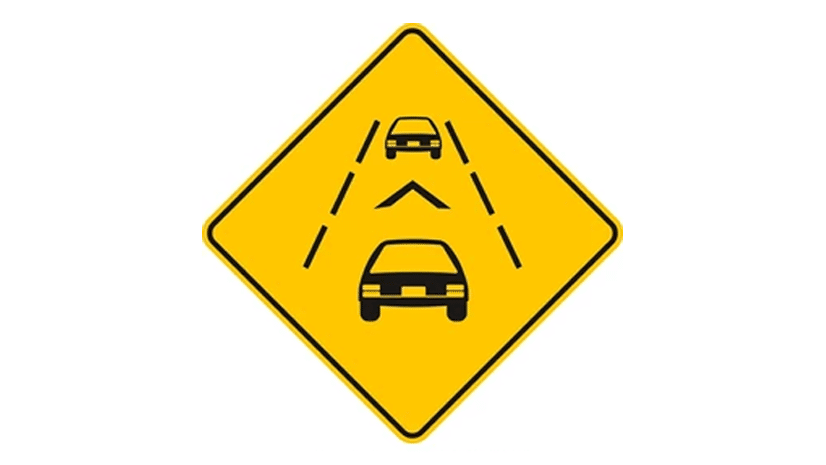
- Maintain a comfortable distance from the car in front of you to prevent an accident in the event that the car in front halts abruptly.
- Do not use hard or abrupt stopping unless necessary.
HORN USE & SILENCE ZONES
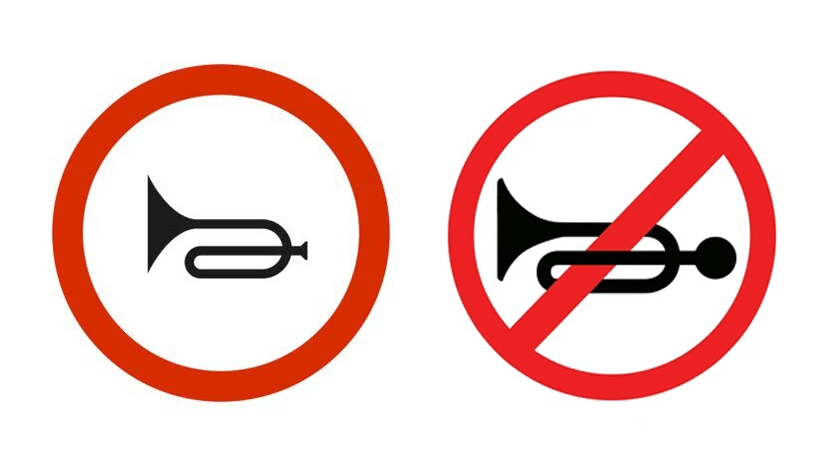
- When in need, use horns safely.
- Unnecessary or continuous use of the horn should be avoided.
- Show respect to silence / quiet areas around hospitals and schools.
MOUNTAIN / HILL DRIVING
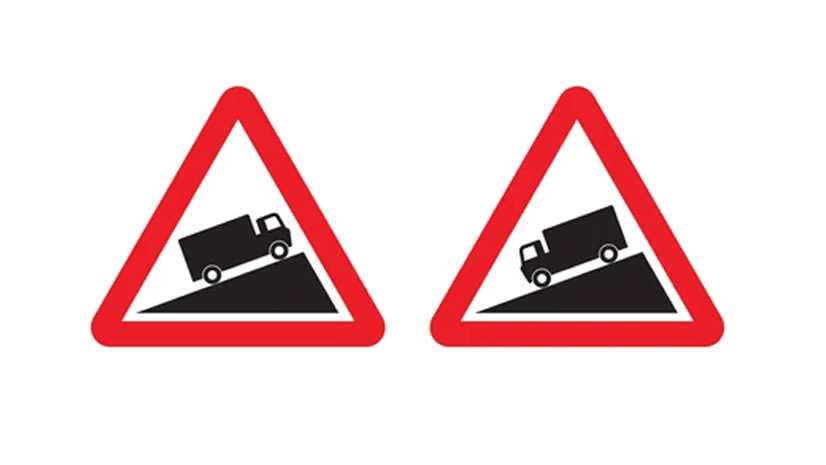
- Cars moving on the hills are typically given priority on narrow roads.
- Downhill drivers are expected to pull aside where necessary.
SPEED CONTROL

- Follow posted speed limits.
- Drive slowly near:
schools
pedestrian areas
road works
heavy traffic zones
SAFE LOADS & PASSENGERS

- The loads should not be dangerously long or cover lights/number plates.
- Perilous goods ought to adhere to special standards.
- Do not have excess passengers.
REVERSING

- Only reverse when it is safe and needed.
- Inspect the surroundings carefully.
DOCUMENTS & VEHICLE CONDITION
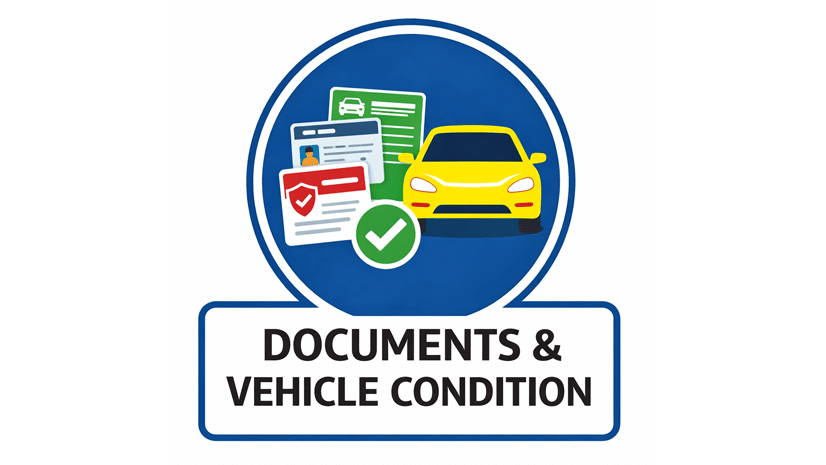
Drivers are to be in possession of (according to local law):
- Driving licence
- Vehicle registration
- Insurance documents
- Road-worthiness/inspection certificate (where applicable)
The cars must be in good condition and safe on the road.
MOBILE PHONES & IMPAIRMENT

- Do not talk on hand-held phones when you are driving.
- Do not drive when you are drunk or on drugs.
OBEY SIGNS & AUTHORITIES
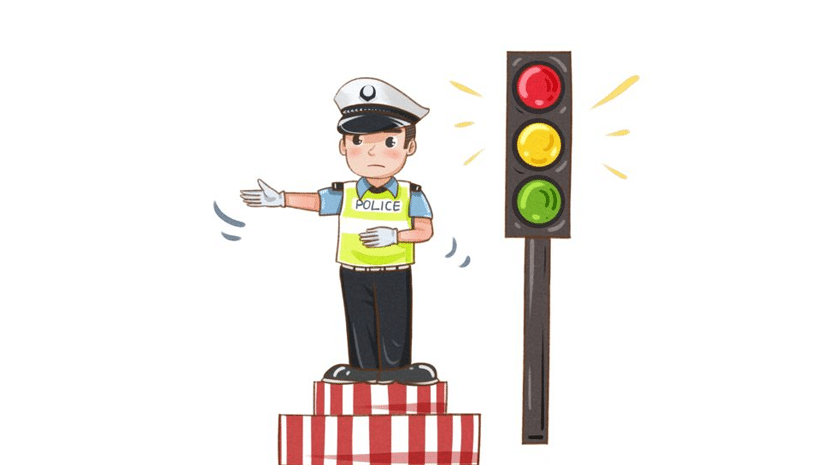
- Obey all road lights, signals and policemen.
FINAL PRINCIPLE
The world has one purpose in traffic rules:
Keep people safe, avoid accidents, and make travelling safe and smooth.
Declaration
etime.in is not affiliated with any government agency, official department, or authority. The information provided in this post/website is for informational purposes only. We are not answerable for any damages or errors related to the use of our content. Aspirants should always verify the information directly from the official website or notification before taking any action.